

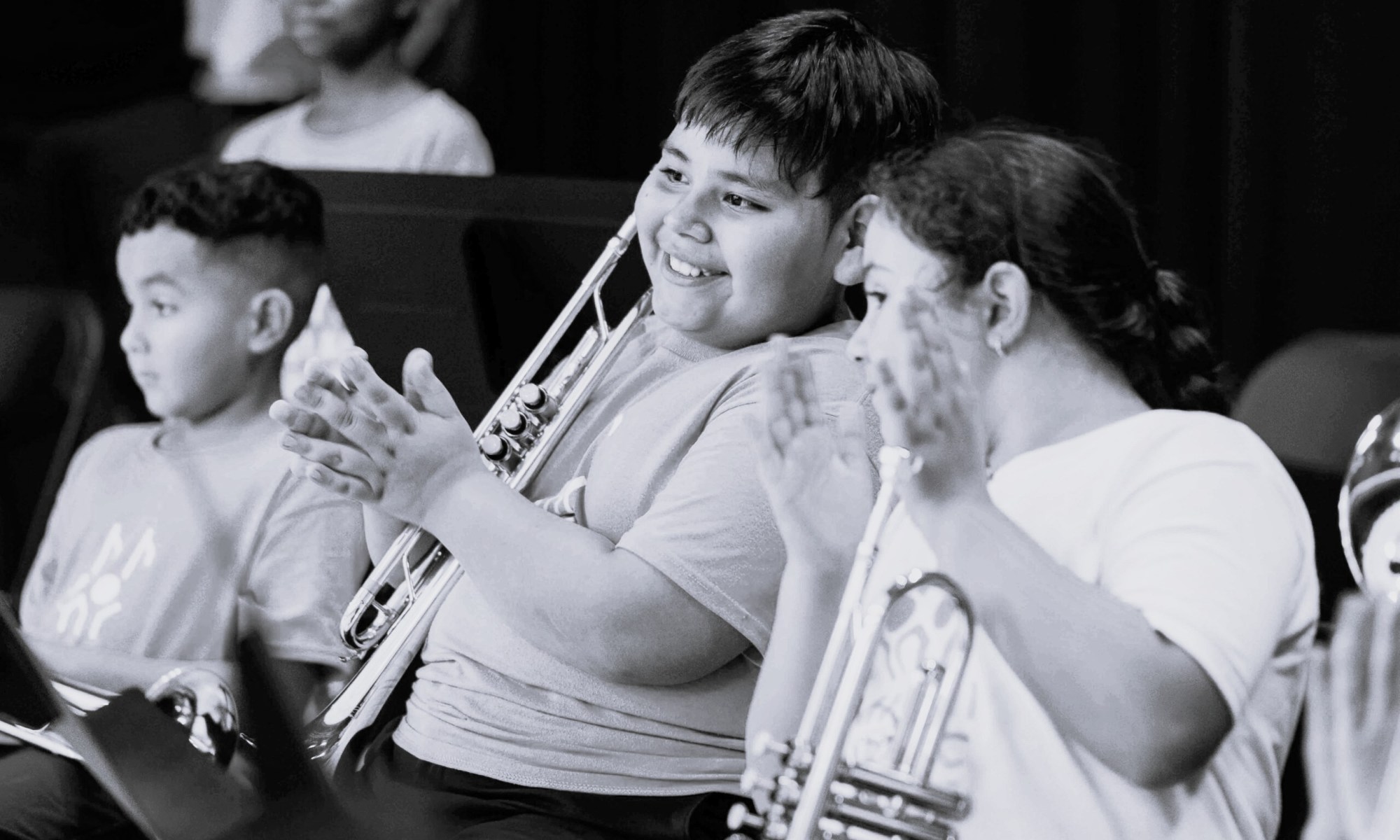
Artificial intelligence (AI) has become one of the defining conversations of our time. Nearly every field is considering how AI may change the way people work and how services are delivered. As I have followed these conversations, I keep returning to a different question: Could AI help expand access to classical music education for children who have historically had the fewest opportunities?
For me, this question is not really about technology. The larger concern is whether children from overlooked communities have a fair opportunity to take part in classical music education.
Over the past several years, my doctoral research has focused on classical music after-school programs through the Positive Youth Development framework. One theme has remained consistent: Children thrive when caring adults are present in their lives and when children have a safe place to go during non-school hours (Augustine et al., 2022; Bone et al., 2022).
What I love about classical music education is that it create opportunities that extend far beyond learning an instrument or musical piece. Classical music teaches patience and perseverance while propelling youth to discover new artistic skills. Most importantly, children become part of a community where teachers, conductors, mentors, and fellow students help them recognize their potential and self-belief.
Several organizations have shaped my understanding of what this work can offer young people:
The Harmony Project in Los Angeles provides tuition-free instruments, music instruction, academic support, and mentorship to thousands of students. The program shows how music and positive adult relationships can influence a child’s confidence, academic growth, daily choices, and overall development (Harmony Project, 2025). The magic of classical music is more than learning a new skillset; the practice can shape the child into their best possible self.
The Rainey Institute in Cleveland, Ohio, is especially dear to my heart. I had the honor of volunteering there and seeing how arts programs can strengthen a child’s well-being and sense of hope. Children were not only learning music, they were also discovering what they could achieve when someone encouraged them and believed in their potential.
Music Haven in Connecticut follows a similar whole-child approach by bringing music education together with academic tutoring and leadership development. A child may enter the program to learn an instrument but also find support, connection, and a trusted adult who can help guide them through decision-making and important life skills.
This whole-child approach seen in many of these after-school programs, creates the connection between classical music education and mental health. Music can offer young people a healthy outlet for self-expression and emotional regulation while encouraging them to discover their inner voice. The power of an after-school music program is the safe setting where young people feel they belong and can build toward future success.
As I continue researching these programs, one question keeps resurfacing: If after-school music education is making a positive difference in the lives of young people, why are so many children still unable to take part?
This is where AI deserves thoughtful consideration.
AI should not replace the music teacher or mentor who knows a child personally. The purpose should be to support the people already doing the work. AI may help nonprofit leaders prepare reports, organize information, manage schedules, and reduce the amount of time spent on administrative tasks. That could allow teachers, mentors, and program leaders to spend more time with the children they serve.
As my study of music after-school programs has evolved, conversations about youth crime have also become part of my research. Too often, communities respond after a young person has already entered the juvenile justice system. What might change if we invested earlier in the conditions that help children thrive? What might happen if high-quality classical music after-school programs became a larger part of youth crime prevention?
When I think about the future of AI, I think about the child still waiting to join a music program. I think about the nonprofit leader trying to make limited funding reach one more child. I also think about the teacher or mentor who would rather quality time with students than complete another office task.
If artificial intelligence can help bring more music education into the lives of overlooked children, then perhaps the greatest contribution will not be replacing human connection, but making more of those connections possible.
Sources and Further Reading
Augustine, D. A., Smith, E. P., & Witherspoon, D. P. (2022). After-school connectedness, racial-ethnic identity, affirmation, and problem behaviors. Journal of Youth Development, 17(4), 175–194. https://doi.org/10.5195/jyd.2022.1137
Bone, J. K., Bu, F., Fluharty, M. E., Paul, E., Sonke, J. K., & Fancourt, D. (2022). Arts and cultural engagement, reportedly antisocial or criminalized behaviors, and potential mediators in two longitudinal cohorts of adolescents. Journal of Youth and Adolescence, 51, 1463–1482. https://doi.org/10.1007/s10964-022-01591-8
Harmony Project. (2025). Impact and program information. https://www.harmony-project.org
Music Haven. (n.d.). Program information. https://www.musichavenct.org
Rainey Institute. (n.d.). Music and youth development programs. https://www.raineyinstitute.org
Lerner, R. M. Institute for Applied Research in Youth Development, Tufts University.
📸:Miami Music Project

